Named after the famous Hungarian nobleman Ferenc Rákóczi II, this delightful dessert was introduced in the 20th century and quickly became a staple in Hungarian households. It features a buttery shortcrust pastry filled with sweetened cottage cheese (túró), topped with apricot jam and a meringue finish.
What Makes It Special?
A flaky crust that provides the perfect contrast to the creamy filling.
The light meringue topping gives it a unique, airy sweetness.
Apricot jam adds a touch of tartness that balances the richness.
Best Enjoyed With: A scoop of vanilla ice cream or a glass of sweet dessert wine.
4. Somlói Galuska – Hungary’s Favorite Trifle
History & Origins
Despite its old-fashioned taste, Somlói Galuska is a relatively modern dessert, invented in 1958 by Hungarian pastry chef Károly Gollerits. This decadent trifle is made from layers of sponge cake, vanilla and chocolate cream, walnuts, and raisins, topped with whipped cream and chocolate sauce.
What Makes It Special?
Three different flavors of sponge cake (plain, cocoa, and walnut) add variety.
Layered with pastry cream, chocolate sauce, and rum-soaked raisins.
Served in a bowl or glass, often with a drizzle of whipped cream.
Best Enjoyed With: A spoon and no interruptions—it’s that good!
5. Eszterházy Torte – The Walnut and Cream Delight
History & Origins
This elegant layered cake was created in the late 19th century and named after Prince Paul III Anton Esterházy, a diplomat of the Austro-Hungarian Empire. The cake is known for its thin layers of walnut meringue and vanilla buttercream, covered in a signature white glaze with a chocolate spiderweb design.
What Makes It Special?
No flour—made entirely from ground walnuts, making it naturally gluten-free.
Silky, rich buttercream filling infused with vanilla or cognac.
The classic chocolate web decoration makes it instantly recognizable.
Best Enjoyed With: A glass of Tokaji Aszú wine or a strong espresso.
6. Beigli – The Christmas Walnut or Poppy Seed Roll
History & Origins
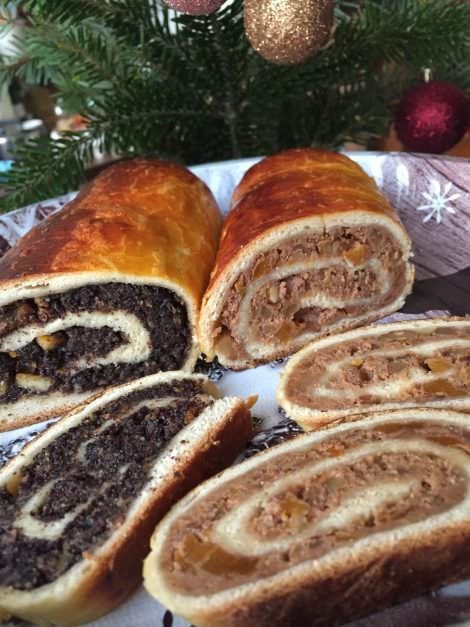
A staple of Hungarian Christmas and Easter celebrations, Beigli is a rolled pastry filled with sweet walnut (diós) or poppy seed (mákos) paste. It has been made in Hungary since at least the 19th century, but its origins trace back to Austria and Poland.
What Makes It Special?
The rich yeast dough gives it a buttery, tender texture.
The sweet and slightly nutty filling is enhanced with honey, cinnamon, and lemon zest.
Often decorated with a shiny egg-wash glaze and light scoring marks.
Best Enjoyed With: A cup of hot tea or mulled wine on a cozy winter night.
This humble but delicious dessert is a true comfort food in Hungary. Túrógombóc (cottage cheese dumplings) are light, fluffy dumplings made from túró (cottage cheese), semolina, and eggs, boiled and rolled in buttery toasted breadcrumbs, then topped with powdered sugar and sour cream.
What Makes It Special?
Soft and pillowy texture, thanks to the light dough.
Crunchy, buttery breadcrumb coating for contrast.
Can be served sweet (with sugar and sour cream) or savory (with herbs and cheese).
Best Enjoyed With: A dollop of apricot jam or a drizzle of honey.
Final Thoughts
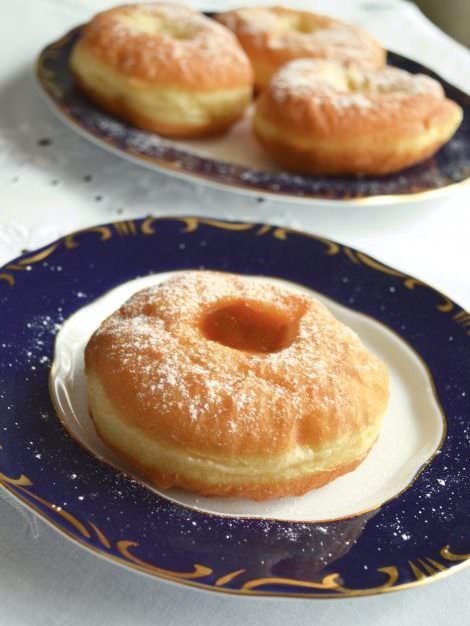
Hungarian desserts are a perfect blend of tradition, texture, and rich flavors. Whether you prefer a delicate layered cake, a deep-fried pastry, or a creamy dumpling, Hungarian sweets offer something for everyone.
If you ever find yourself in Hungary, don’t miss out on trying these authentic treats. But if a trip to Budapest isn’t on your calendar, you can bring Hungary into your kitchen by baking these desserts yourself. Which Hungarian dessert are you most excited to try? 🍰✨